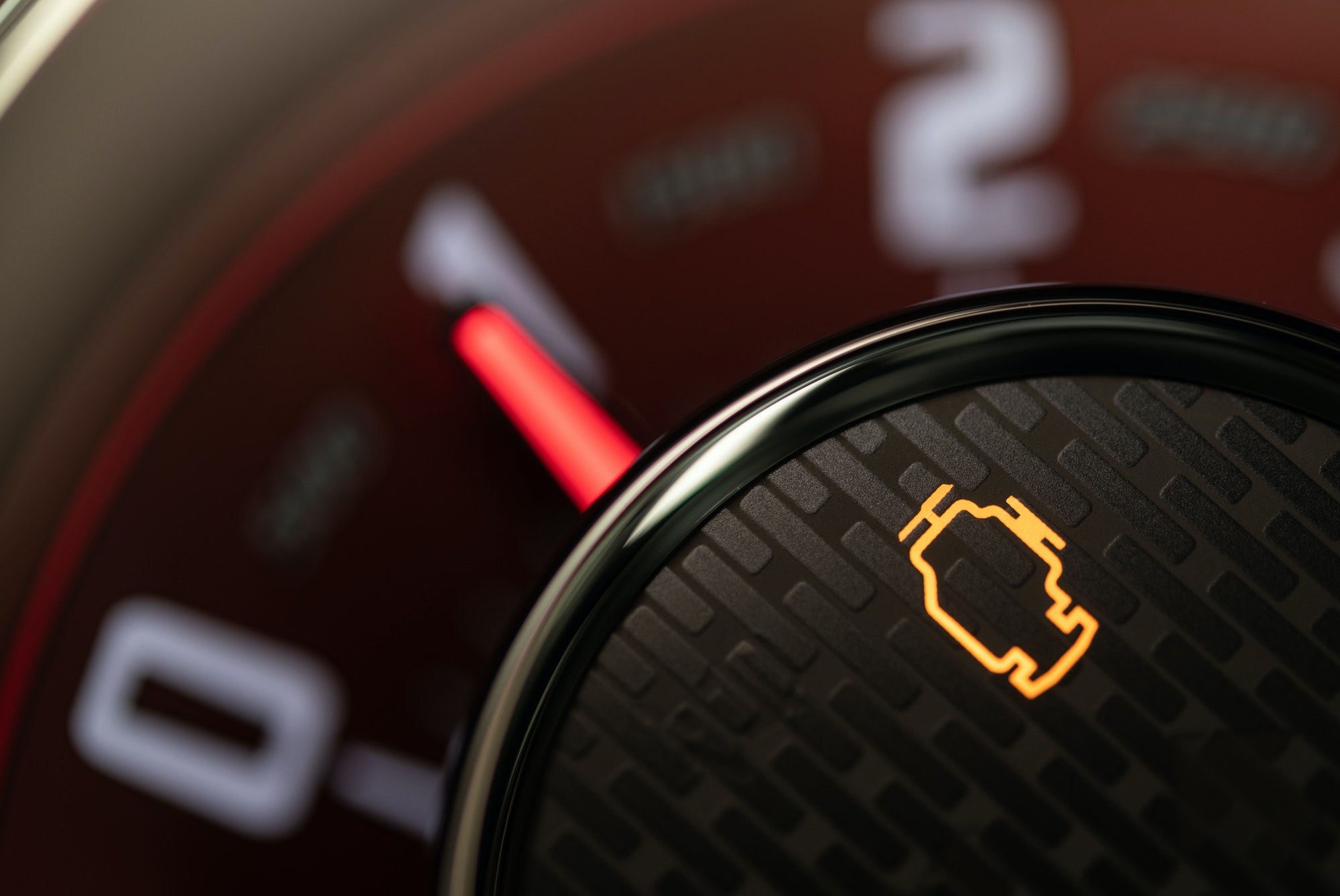
When you turn the key or press the start button in your car, you’re hoping for a smooth start to your day. The engine roars, the dashboard lights blink for a moment, and off you go.
But sometimes, something unusual happens — the battery light on the dashboard stays on.
What does this mean? Is it something to panic about? Should you keep driving?
Let’s dive deep into what the battery light is trying to tell you and what you should do if it lights up at startup.
What Is the Battery Light?
The battery light is a small but powerful warning signal on your dashboard. It usually looks like a little rectangle with plus (+) and minus (–) signs, symbolizing a car battery.
But here’s something many people don’t know: The battery light is not only about the battery. It actually warns you about problems in the entire charging system, which includes:
- The battery
- The alternator
- The wiring that connects everything
If this system is not working correctly, your car could lose power — and leave you stuck on the side of the road.
Is It Normal for the Battery Light to Come On at Startup?
Yes, it’s completely normal for the battery light (and several other lights) to come on for a few seconds when you first start the car.
When you turn the key or press start, the car runs a self-check on different systems like the brakes, engine, airbags, and battery. This is why all those lights flash briefly.
However, if the battery light stays on even after the engine is running, it’s a red flag.
It means your car thinks there’s a problem with the charging system. At that point, you shouldn’t ignore it.
Common Reasons the Battery Light Stays On
Now let’s talk about why your battery light might stay on after you start your car.
1. Weak or Old Battery
A car battery only lasts about 3 to 5 years. Over time, it weakens and can’t hold a charge like it used to.
How does this cause the battery light to stay on? If your battery is weak, your car’s computer will notice it’s not providing enough voltage. It sends a warning by turning on the battery light.
Signs of a weak battery include:
- Slow cranking when starting the engine
- Dim or flickering headlights
- Clicking sounds instead of the engine turning over
Even if your car starts now, a weak battery could suddenly die, especially in cold weather or after a short trip.
👉 Tip: If your battery is over 3 years old, get it tested regularly.
2. Bad Alternator
The alternator is what charges the battery while the engine runs. It also powers things like the headlights, radio, and air conditioner.
If the alternator isn’t doing its job, the battery can’t charge, and the car uses up the remaining battery power until it shuts down.
Signs of a bad alternator:
- Flickering dashboard lights or headlights
- Electrical problems (like slow power windows)
- A burning rubber smell (a sign the alternator belt is slipping)
- Strange growling or whining noises from under the hood
A bad alternator is one of the most common reasons for a battery light staying on.
👉 Tip: If your battery light comes on while driving, the alternator might already be failing.
3. Loose or Corroded Battery Connections
Sometimes the problem is super simple: Bad battery connections.
If the battery cables are loose, corroded, or dirty, electricity can’t flow properly.
Signs of loose or corroded battery terminals:
- Visible white, green, or blue powder around the battery terminals
- Battery cables feel loose if you wiggle them
- Random electrical issues (like dashboard lights acting weird)
👉 Tip: Cleaning the battery terminals with a wire brush and tightening the clamps can often fix this quickly.
4. Faulty Drive Belt
Your car’s alternator is powered by a drive belt (sometimes called a serpentine belt).
If this belt slips, becomes loose, or breaks, the alternator can’t spin fast enough to generate electricity.
Signs of drive belt problems:
- A loud, high-pitched squealing noise when starting the car or accelerating
- Difficulty steering (because the power steering pump also uses the same belt)
- Overheating engine (because the water pump may also fail)
If the belt is broken, your car won’t charge the battery or cool the engine properly — double trouble!
👉 Tip: A belt should feel tight and should have no cracks. Replace it if it’s worn or frayed.
5. Charging System Problems
Sometimes the issue isn’t the battery, alternator, or belt — it’s the wiring that connects them.
Electrical issues like:
- Broken wires
- Corroded connectors
- Short circuits
can also trigger the battery light.
These problems can be tricky to spot without special equipment, so you may need a professional mechanic to diagnose them.
👉 Tip: If you’ve ruled out other easy fixes, get a charging system check.
What Should You Do If the Battery Light Stays On?
If you notice your battery light stays on after startup, here’s what you should immediately do:
- Turn off extra electronics.
Turn off the radio, air conditioning, and unplug any phone chargers to conserve battery life.
- Check the battery terminals.
Look under the hood. If the connections are loose or dirty, carefully clean and tighten them.
- Drive to a safe location.
You may have limited time before your car loses power completely. Drive to a safe place or straight to a mechanic.
- Get a full checkup.
Many auto parts stores offer free battery and alternator tests. Take advantage of this before bigger problems happen.
Can You Still Drive with the Battery Light On?
You can still drive for a short time after the battery light comes on, but you shouldn’t wait too long.
Without a working alternator, the car is running entirely off the battery. When the battery drains (and it will), your engine could die without warning.
Imagine being stuck:
- In heavy traffic
- On a dark road at night
- In bad weather
It’s not worth the risk. If your battery light stays on, treat it like an emergency and get help immediately.
How to Prevent Battery Light Problems
Good news! A little regular maintenance can help you avoid this scary situation.
Here’s how:
✅ Replace your battery every 3–5 years (even if it seems fine).
✅ Inspect your belts during oil changes — look for cracks, glazing, or wear.
✅ Keep battery terminals clean. Check every few months and clean corrosion right away.
✅ Listen for weird sounds like squealing belts or whining alternators.
✅ Pay attention to your car’s behavior. Dim lights or slow accessories are early signs something’s wrong.
Final Thoughts
The battery light flashing for a second at startup is normal. But if it stays on, listen to your car — it’s telling you something needs attention.
It could be a simple fix like cleaning the battery terminals. Or it could be a sign of a failing alternator or bad wiring.
Either way, acting early can save you from expensive repairs, stressful breakdowns, or being stranded.
Always take the battery light seriously. Stay alert, get your car checked, and enjoy the peace of mind that comes from a healthy, reliable vehicle!🚗💡